
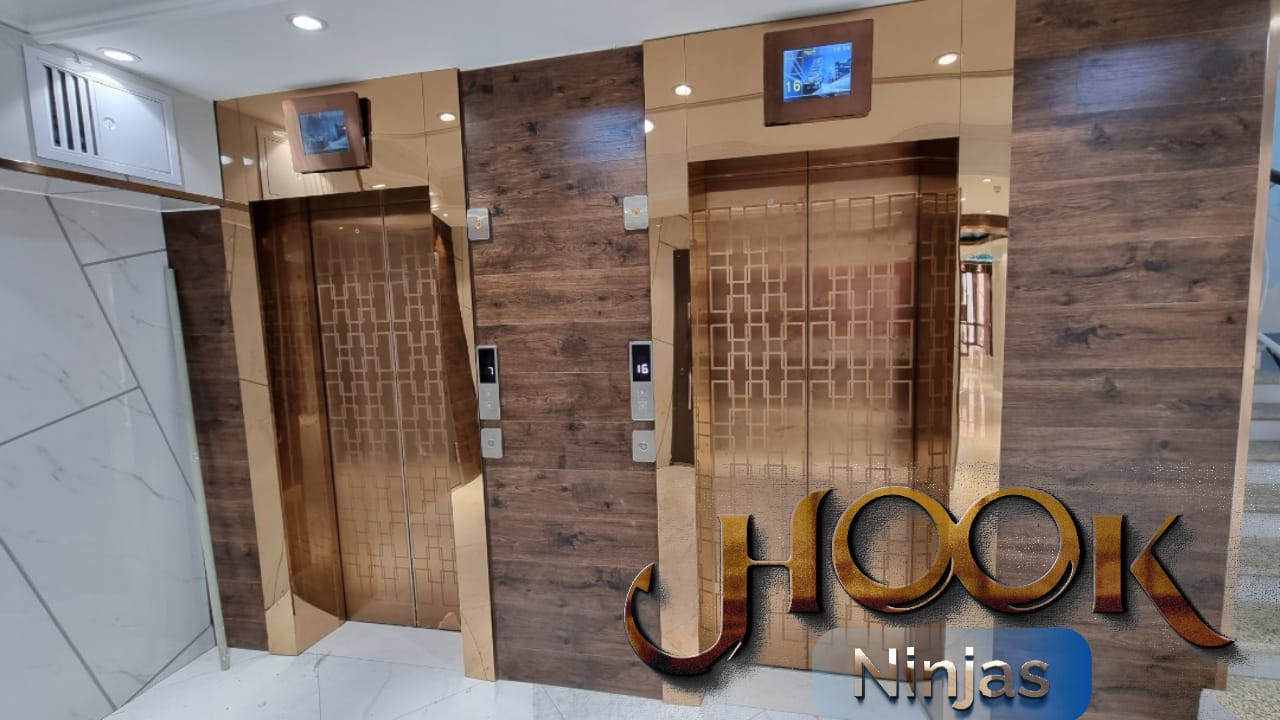
Elevator System


- 1 Section
- 400h Duration
Elevator System
An elevator system is a vertical transport mechanism, most commonly a traction elevator, that uses a system of steel cables, a counterweight, and a motor to move an elevator car up and down a shaft. It consists of several key components, including the car for passengers or cargo, the hoistway or shaft, a traction machine with motor and sheave, a counterweight to balance the load, guide rails for smooth movement, and an electrical control system to manage operations like stopping and door opening.
How it works (Traction Elevator)
-
Cab and Hoistway:The elevator car travels within a vertical shaft (hoistway).
-
Cables and Sheave:Steel cables are connected to the car and a counterweight. An electric motor turns a grooved pulley called a sheave, which the cables run over.
-
Counterweight:The counterweight is roughly the same weight as the car when half full, reducing the energy needed to lift the car.
-
Motor and Control:Pressing a call button sends a signal to a control system, which directs the motor to rotate the sheave, moving the car up or down.
-
Guide Rails:Guide rails keep the car and counterweight properly positioned in the shaft.
-
Braking System:When a car stops, a braking system activates to hold it in place, often using solenoid-actuated pads
Key Components
- Car: The compartment where passengers or goods are held
- Hoistway (Shaft): The vertical space in which the elevator operates.
- Traction Machine: The motor and sheave that drive the cables.
- Counterweight: A heavy weight that balances the car, reducing motor load.
- Guide Rails: Tracks that guide the car and counterweight.
- Safety Devices: Includes brakes and safety gears to prevent uncontrolled movement.
- Control System: The "brain" of the elevator, managing its speed, direction, and door operations.
Types of Elevator Systems
- Traction Elevators: The most common type, using cables, a counterweight, and a motor.
- Hydraulic Elevators: Use hydraulic fluid pumped into a piston to raise and lower the car, often used in lower-rise buildings.
- Drum/Forced Drive Elevators: Used for lifting equipment rather than passenger transport.
Want to submit a review? Login and enrolled
Related Courses

Energy saver switch installation


An energy saver switch is installed in a standard electrical back box by a qualified electrician, where it receives the main power supply and controls the room’s electrical outlets. When a specific key card is inserted,…

Programmable Energy Saver switch installation and programming
To install a programmable energy saver switch, first turn off power at the circuit breaker. Next, remove the old switch, identify and disconnect the wires, then connect the new switch’s line, load, and ground wires…

Smart Hotel system with Full AI Application
A smart hotel system with a full AI application integrates Artificial Intelligence (AI) with interconnected devices (IoT) to automate hotel operations and provide personalized guest experiences. The system analyzes data to personalize everything from room settings…